

Project Venus
Re-engineering the enterprise experience from the inside out.
Role: Senior UX Designer
Team: Product, Engineering
Platform: Enterprise Saas
Focus: Design System
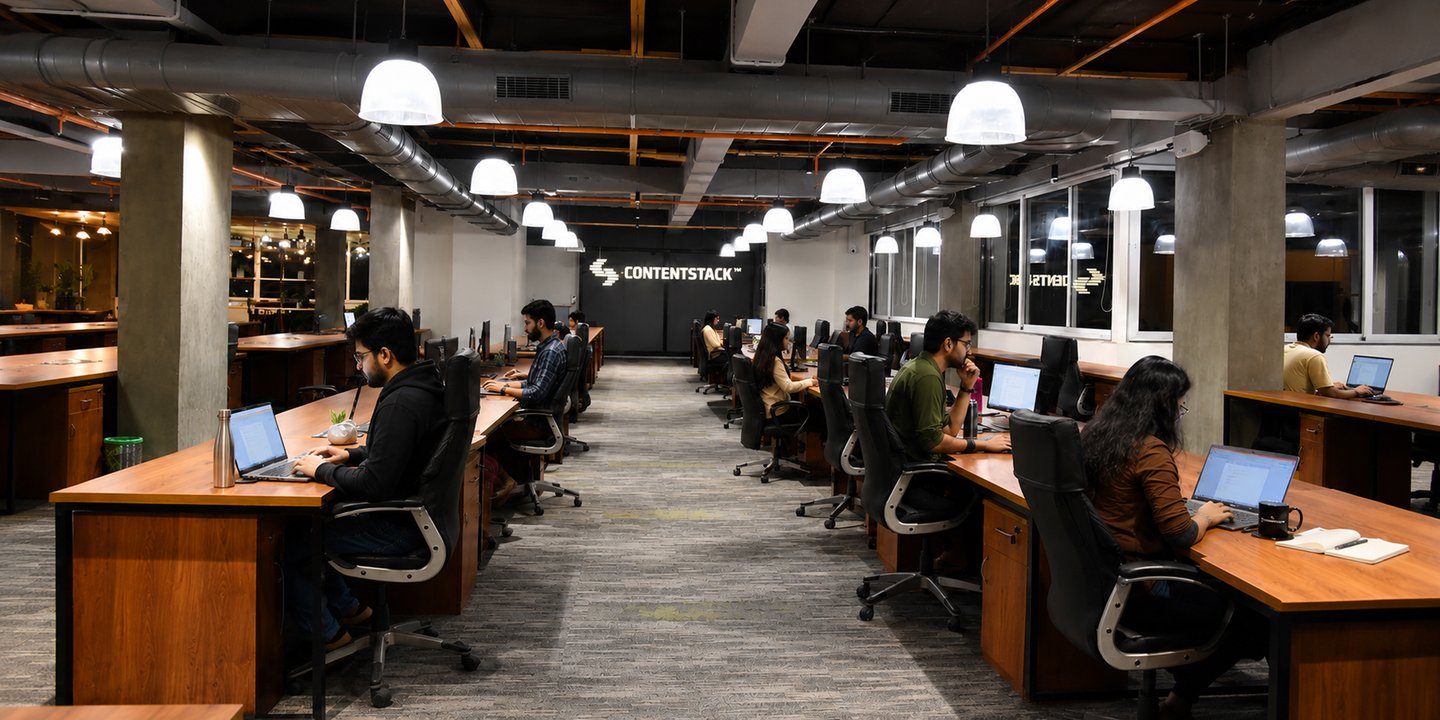

Product Redesign
Contentstack is an enterprise grade, API first headless CMS that enables developers and content teams to work independently and in parallel, making it easier to create, manage, and deliver content across websites and applications.
As the platform expanded, the product experience became increasingly fragmented across teams and features. The goal was not simply to redesign the interface, but to create consistency across products, reduce design debt, and establish shared patterns that could scale across teams and future experiences.
Why this mattered
Contentstack had grown into a powerful enterprise platform, but the product experience had become fragmented over time. Different teams had built different parts of the product in different ways. The result was a product that worked, but did not always feel consistent or mature enough for enterprise customer.
The problem
The platform had inconsistent colors, repeated patterns, duplicated UI logic, and interaction differences across screens. This created design debt, slowed down development, and made the product feel less unified than it should have.
Key Challenges:
Inconsistent UI patterns across products
Duplicate design effort
Accessibility gaps
Need for a scalable design foundation
Legacy UI
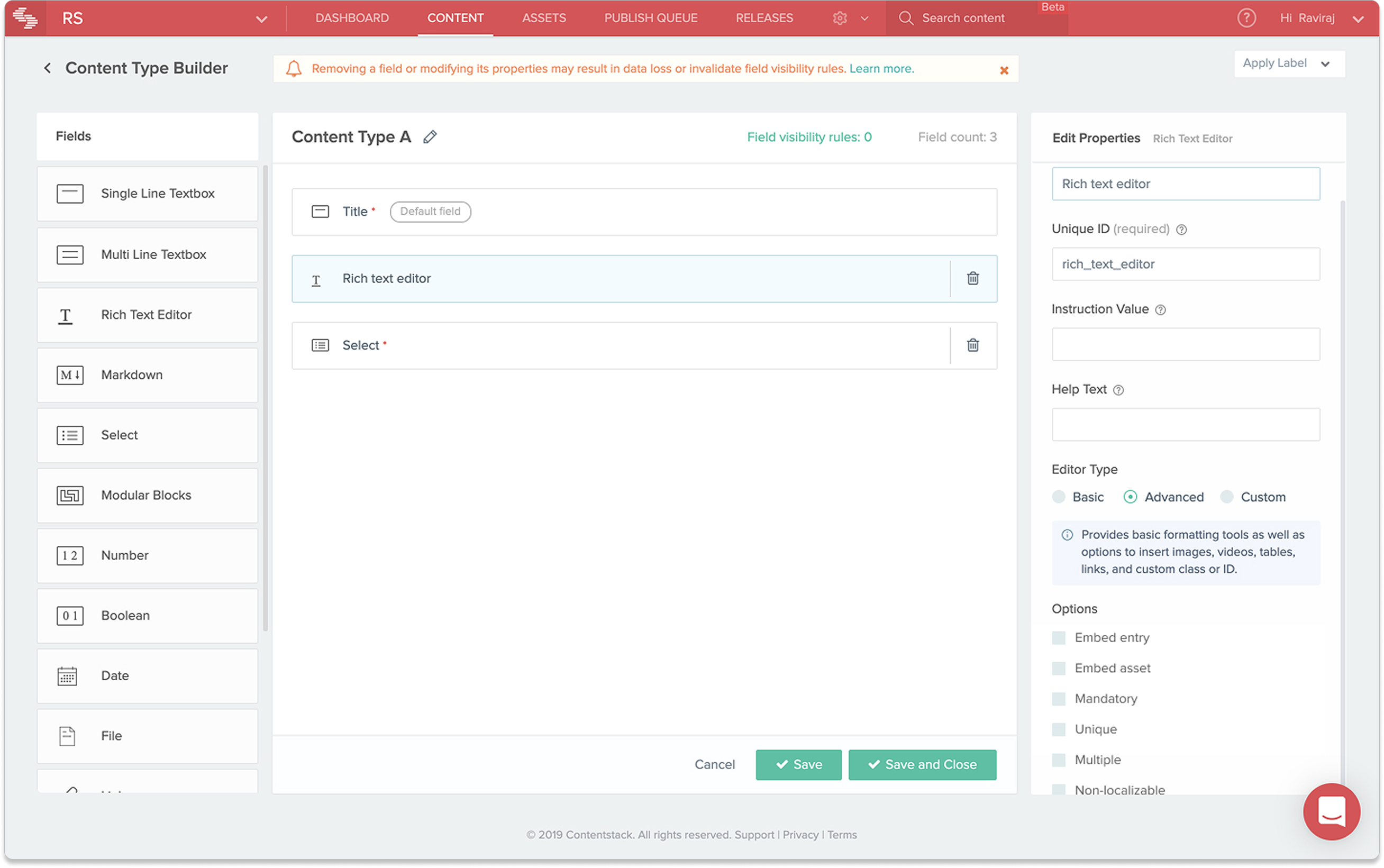
Legacy content modeler with fragmented structure and patterns.
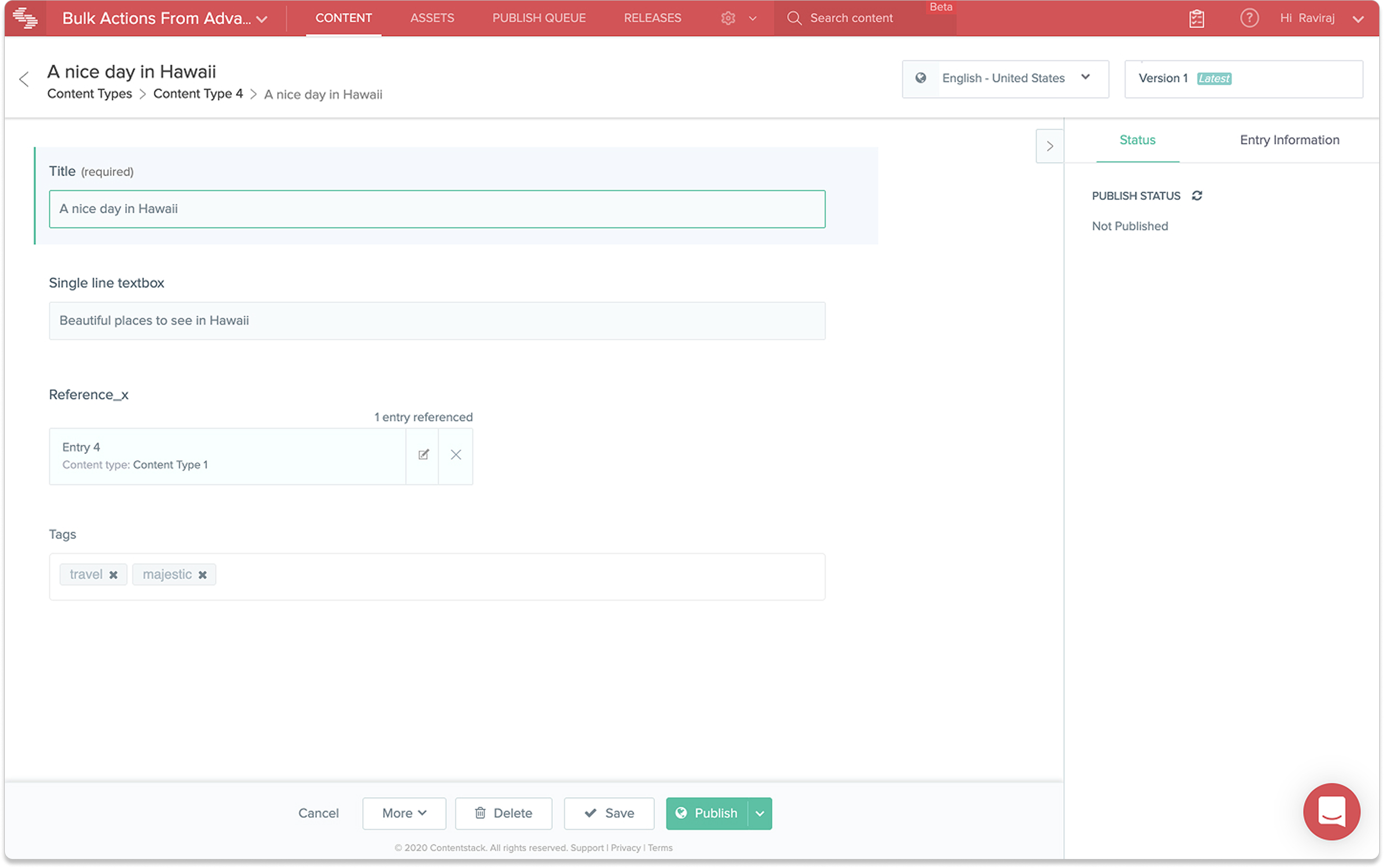
Legacy entry editor with inconsistent patterns.
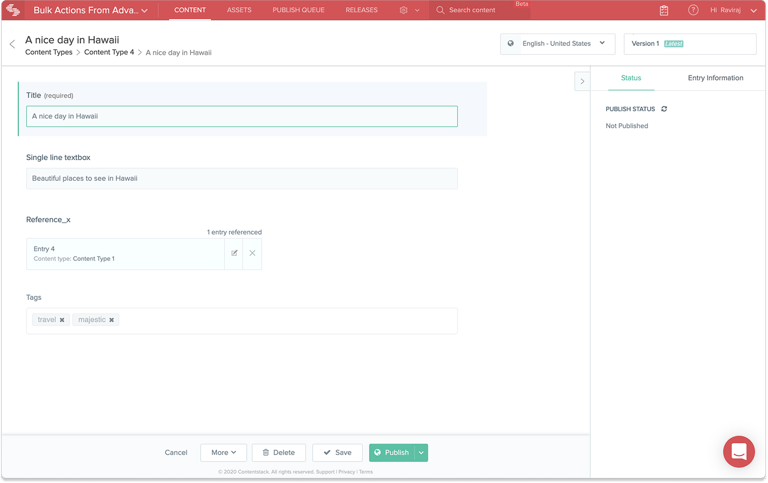
The tension
This was not only a visual redesign. It was a systems problem. We had to create consistency across a large product while teams were still shipping work. Then COVID hit, and collaboration moved remote during the middle of the transformation.
What we did
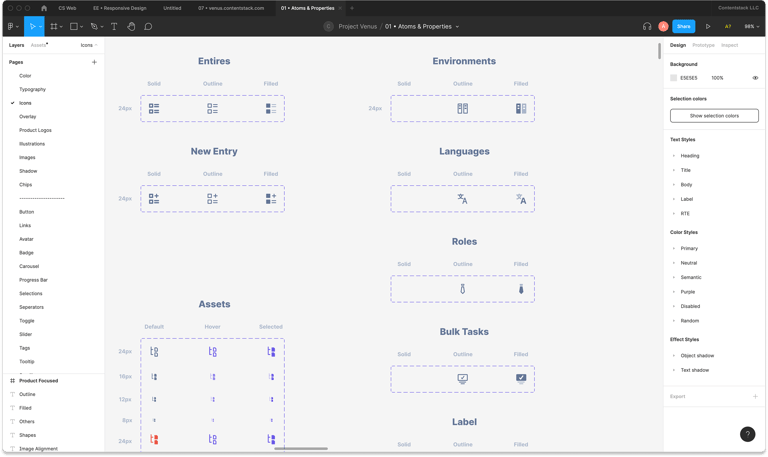
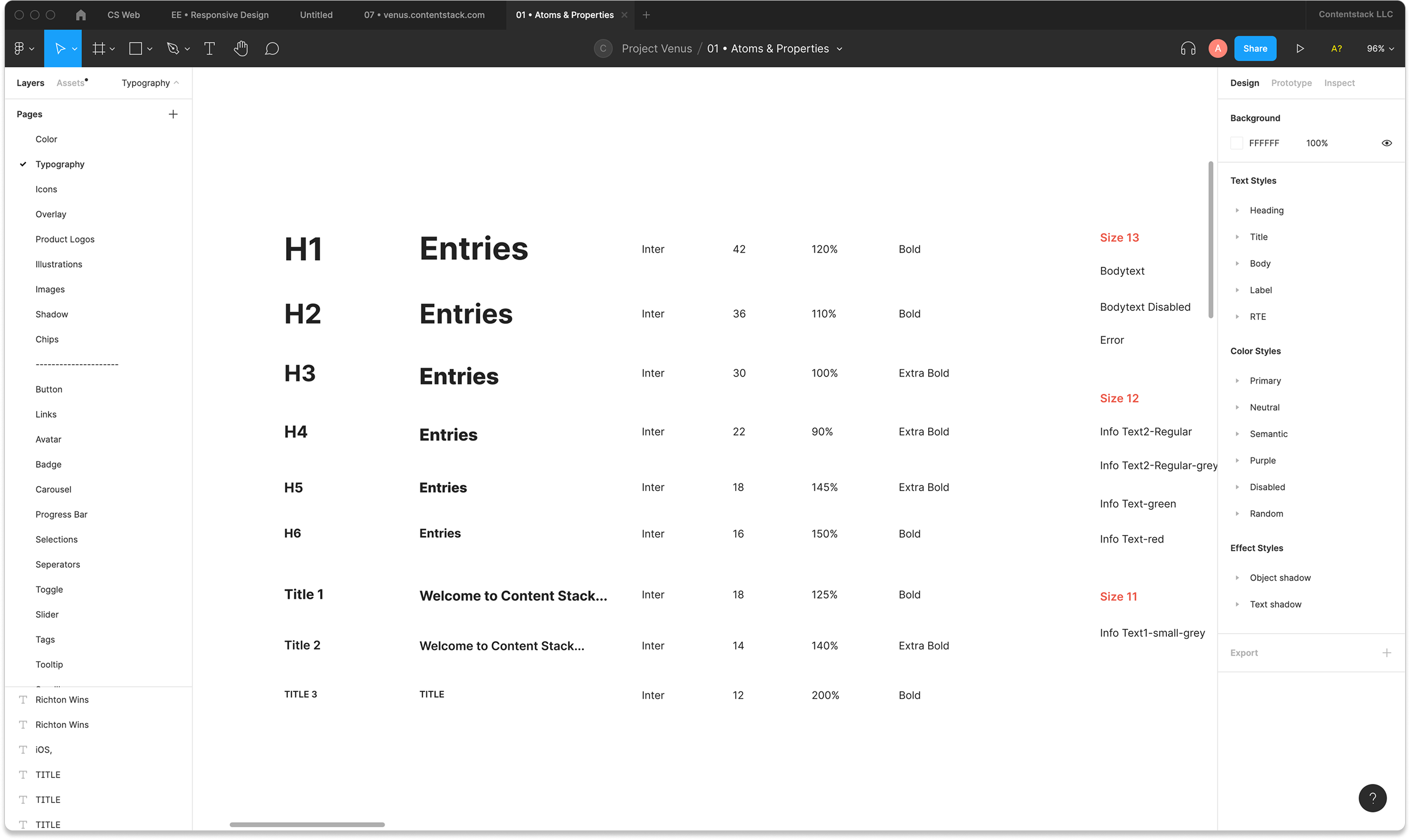
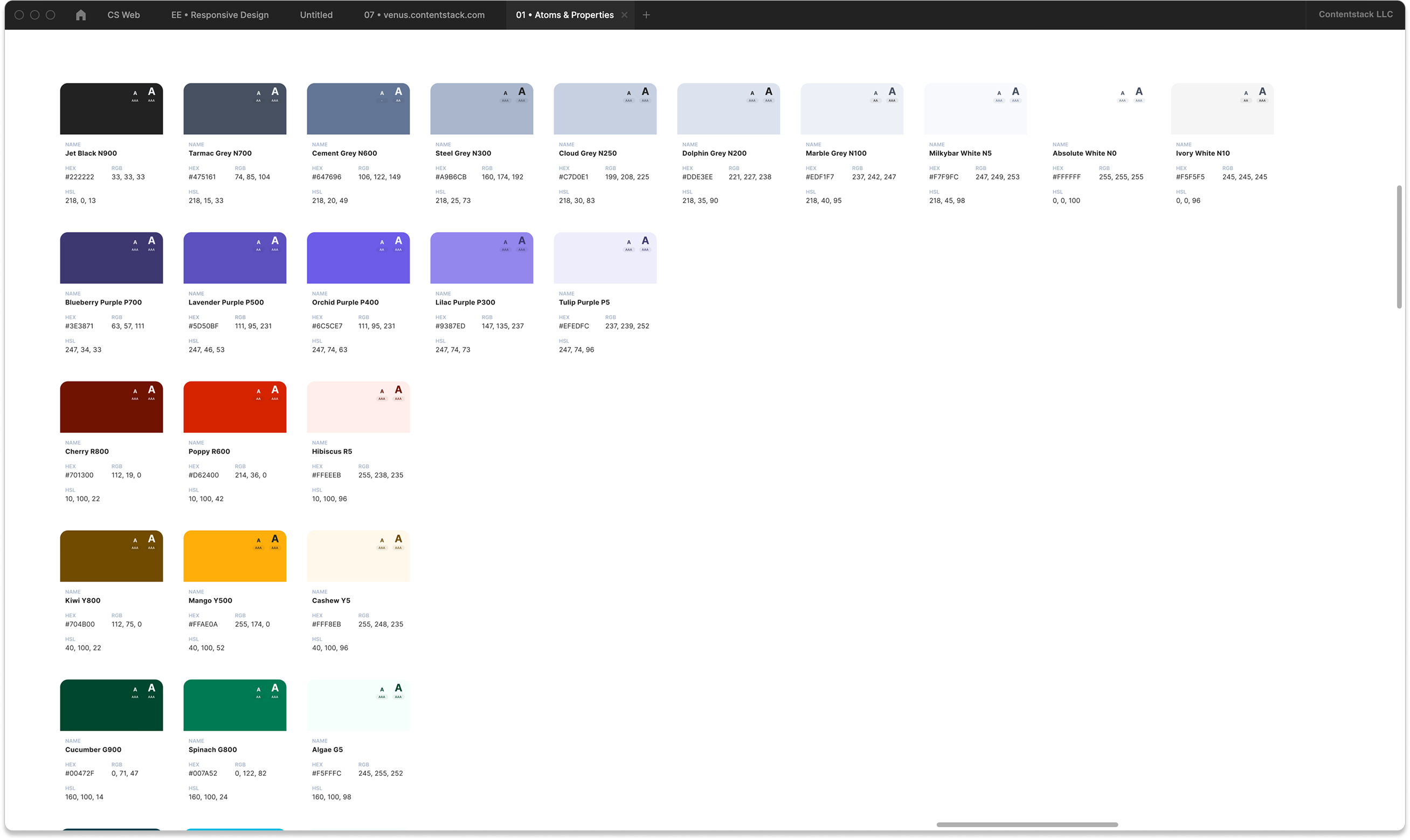
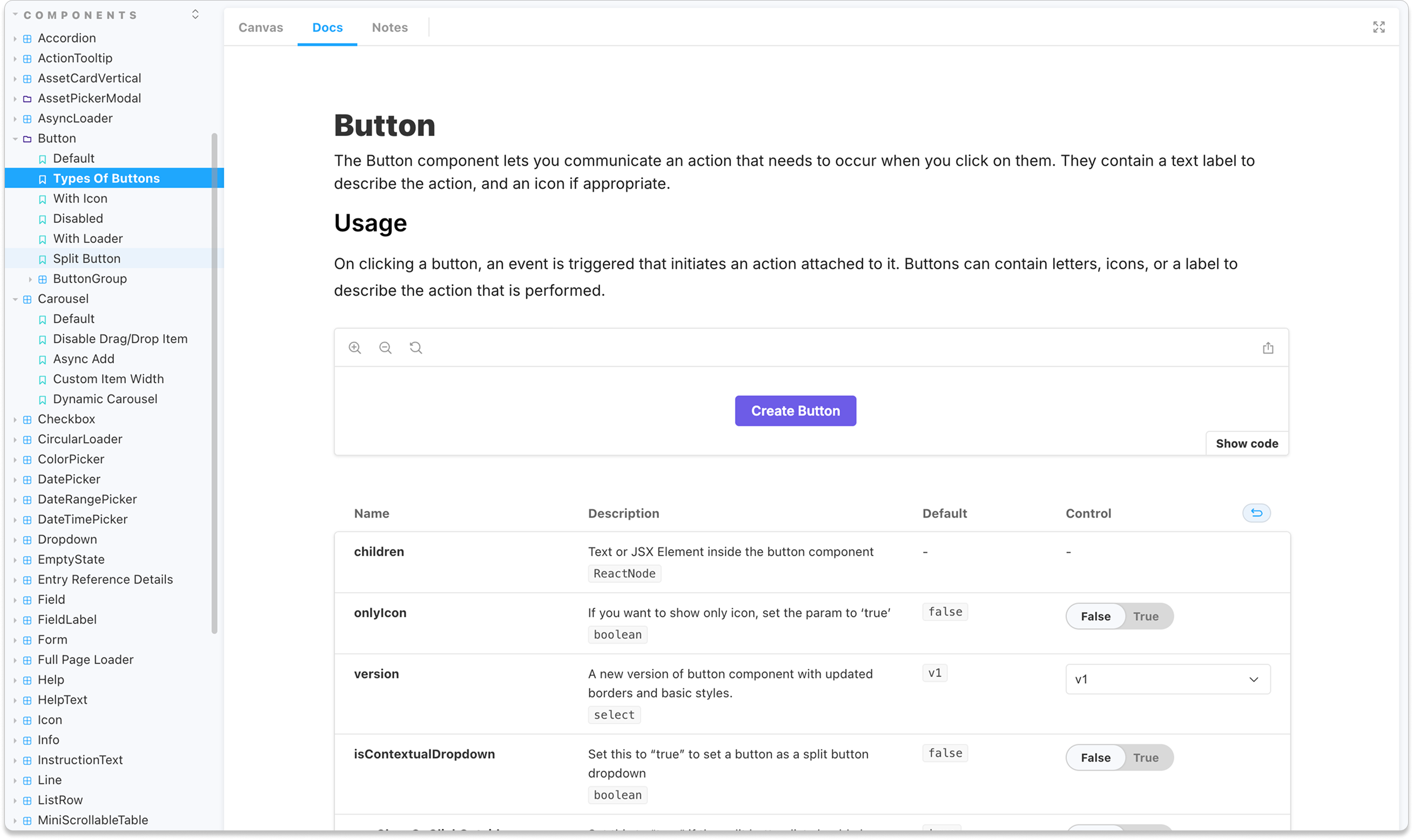
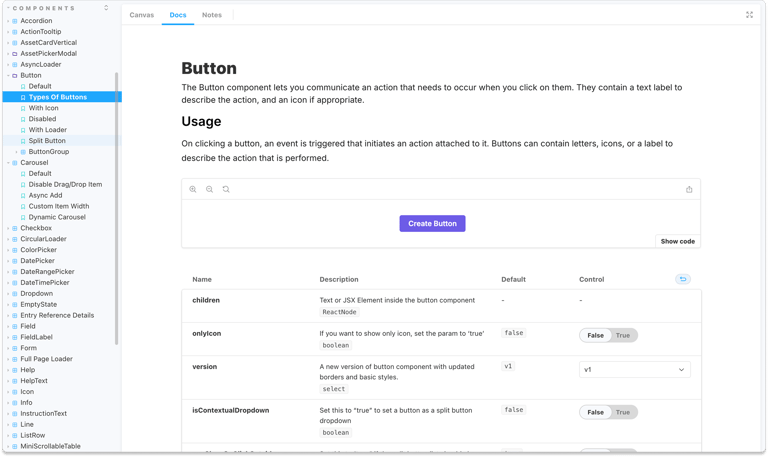
As part of the broader Venus design system effort, we worked with atomic components, design tokens, pattern rationalisation, and shared standards. Color naming became important because names are easier to recall and scale than raw hex codes. Developers built Storybook for components, and designers reviewed the output to ensure production matched design as closely as possible.
Key Contributions:
Built and maintained 50+ WCAG-compliant components
Designed hundreds of documented states and variants
Established scalable component foundations
Collaborated with engineers through Storybook
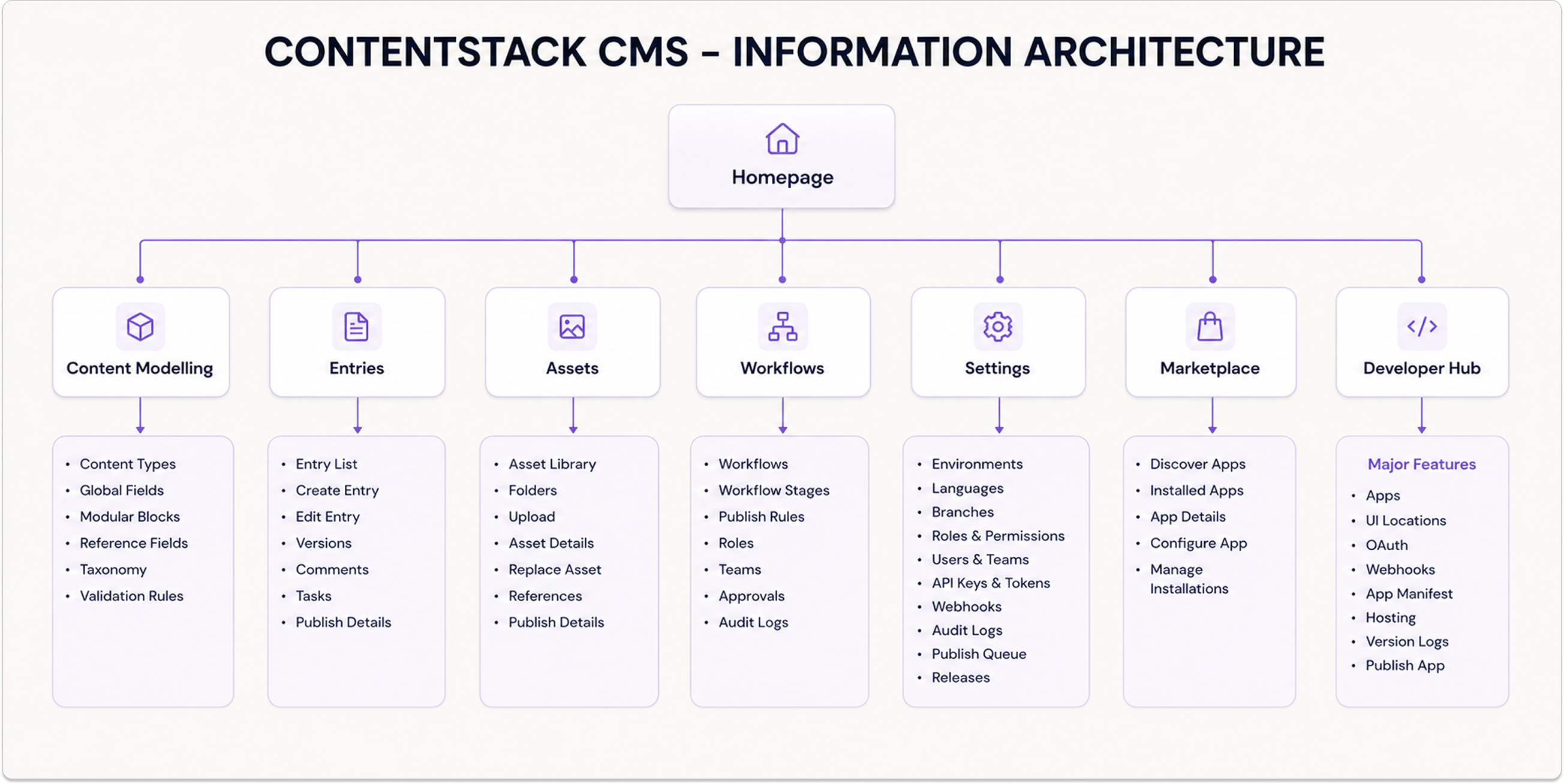
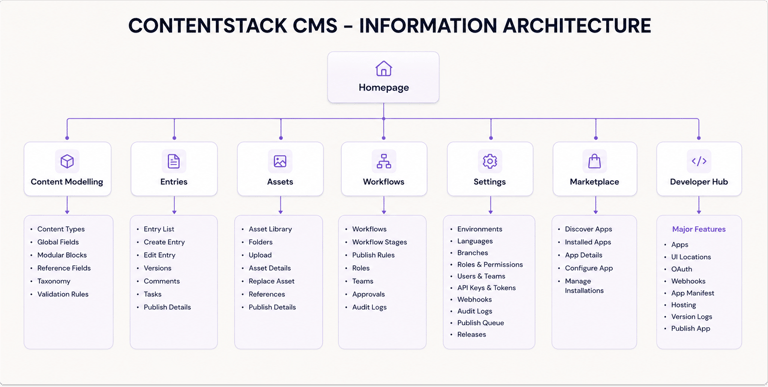
Enterprise Content Management Architecture
Platform architecture connecting content modeling, workflows, administration, marketplace, and developer tools.
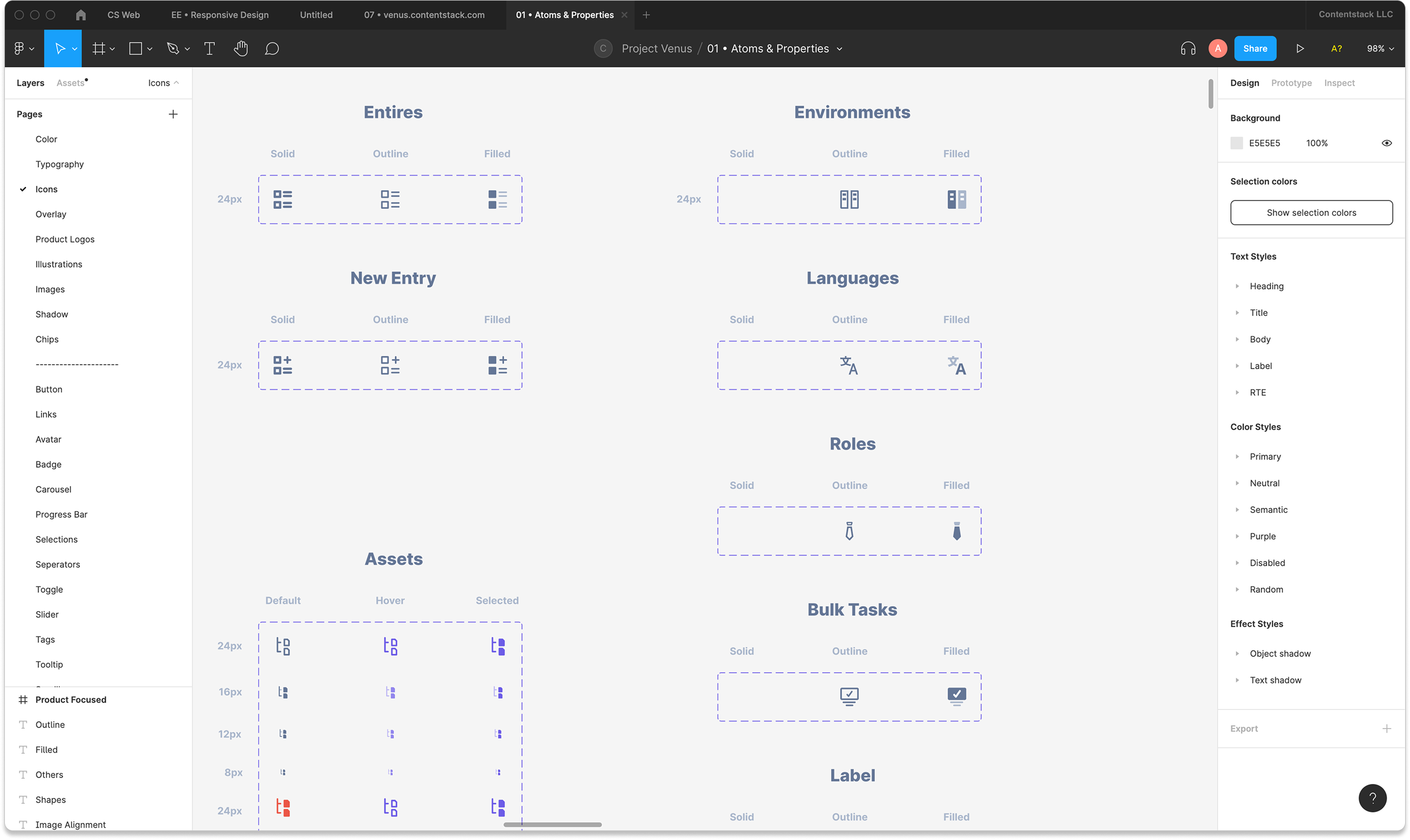
Components
Centralised component library for consistent UI patterns - Icons
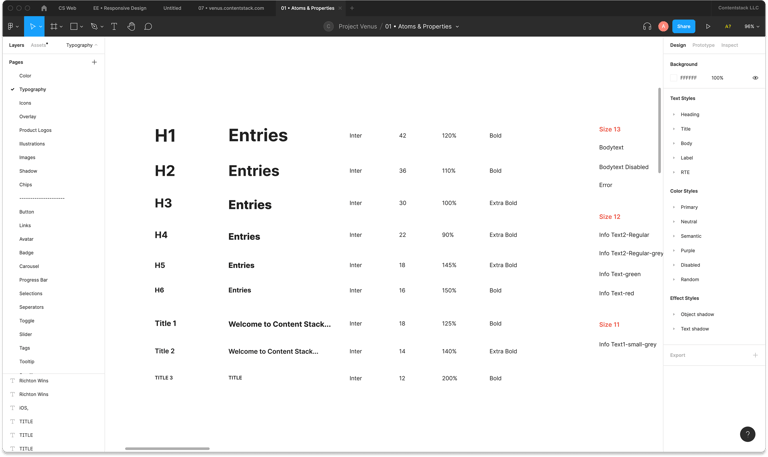
Centralised component library for consistent UI patterns - Typography
Centralised component library for consistent UI patterns - Colors
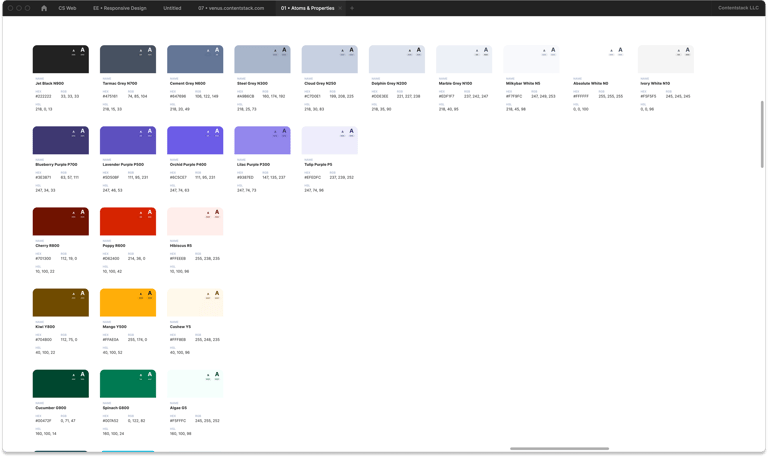
Building a scalable component library for consistent experiences.
My role
I contributed to component rationalisation, design token thinking, navigation improvements, design reviews, and production alignment. This was a collaborative project involving multiple designers, design leadership, engineering teams, and important contributions from others.
Outcome
Venus helped Contentstack move from fragmented interface patterns to a more unified enterprise experience. It improved consistency, made handoff smoother, and gave teams a shared system to build from.
Impact:
50+ accessible components
Hundreds of documented states and variants
WCAG-compliant by default
~80% faster design-to-engineering handoff
Adopted across multiple enterprise products
Final Designs
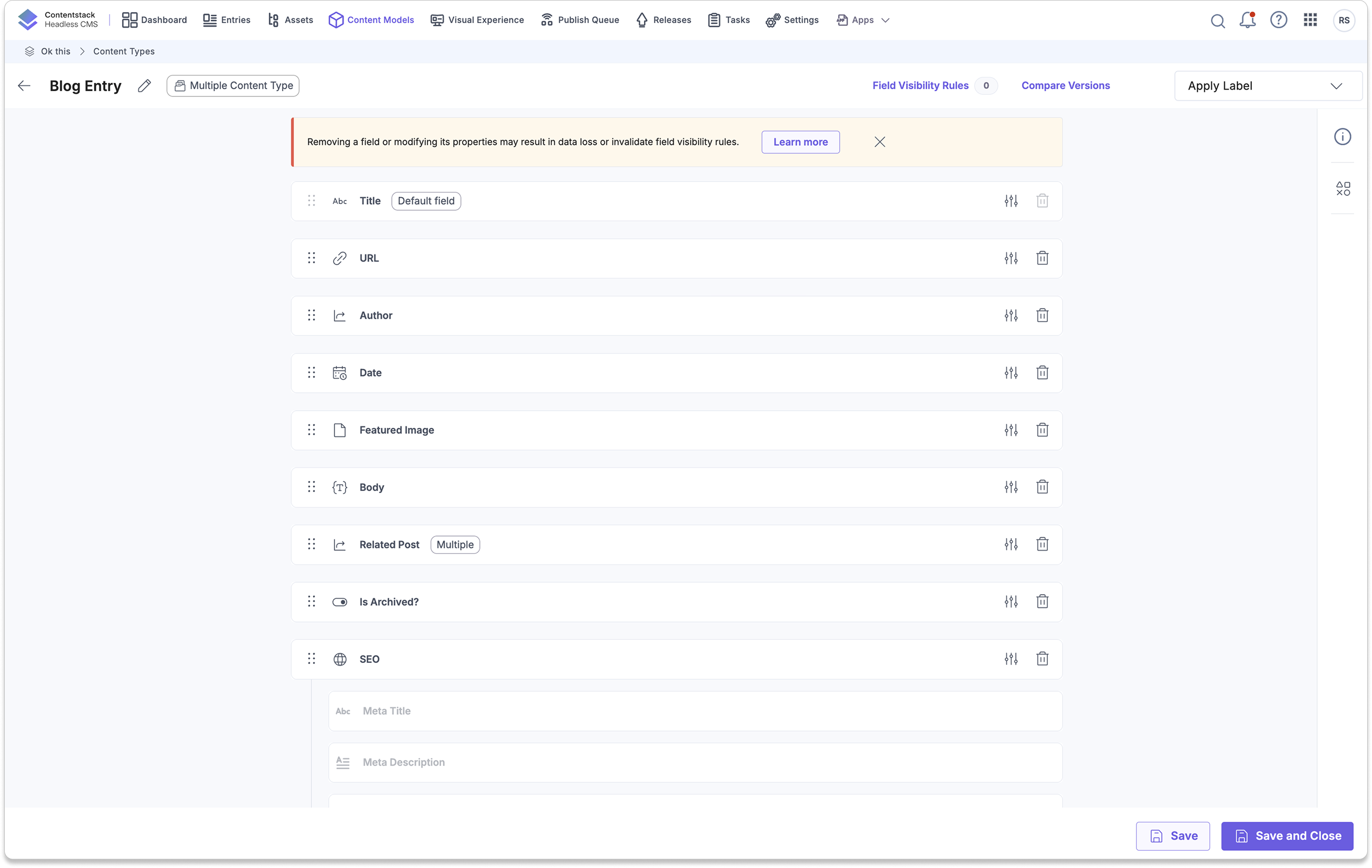
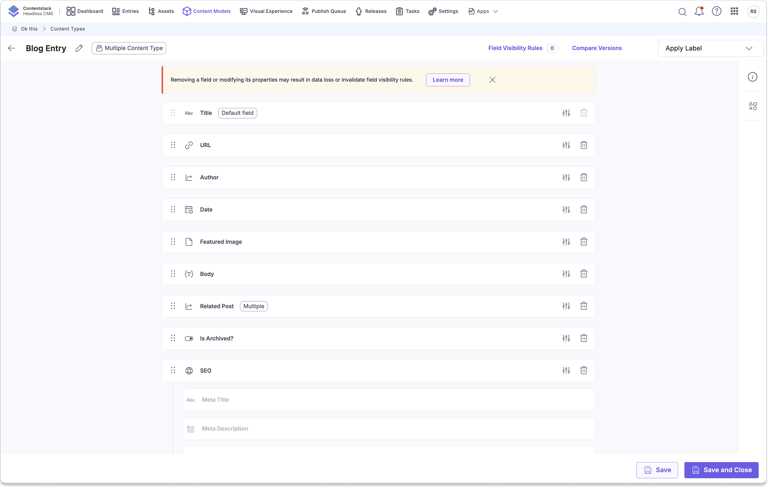
Venus content modeler with unified structure.
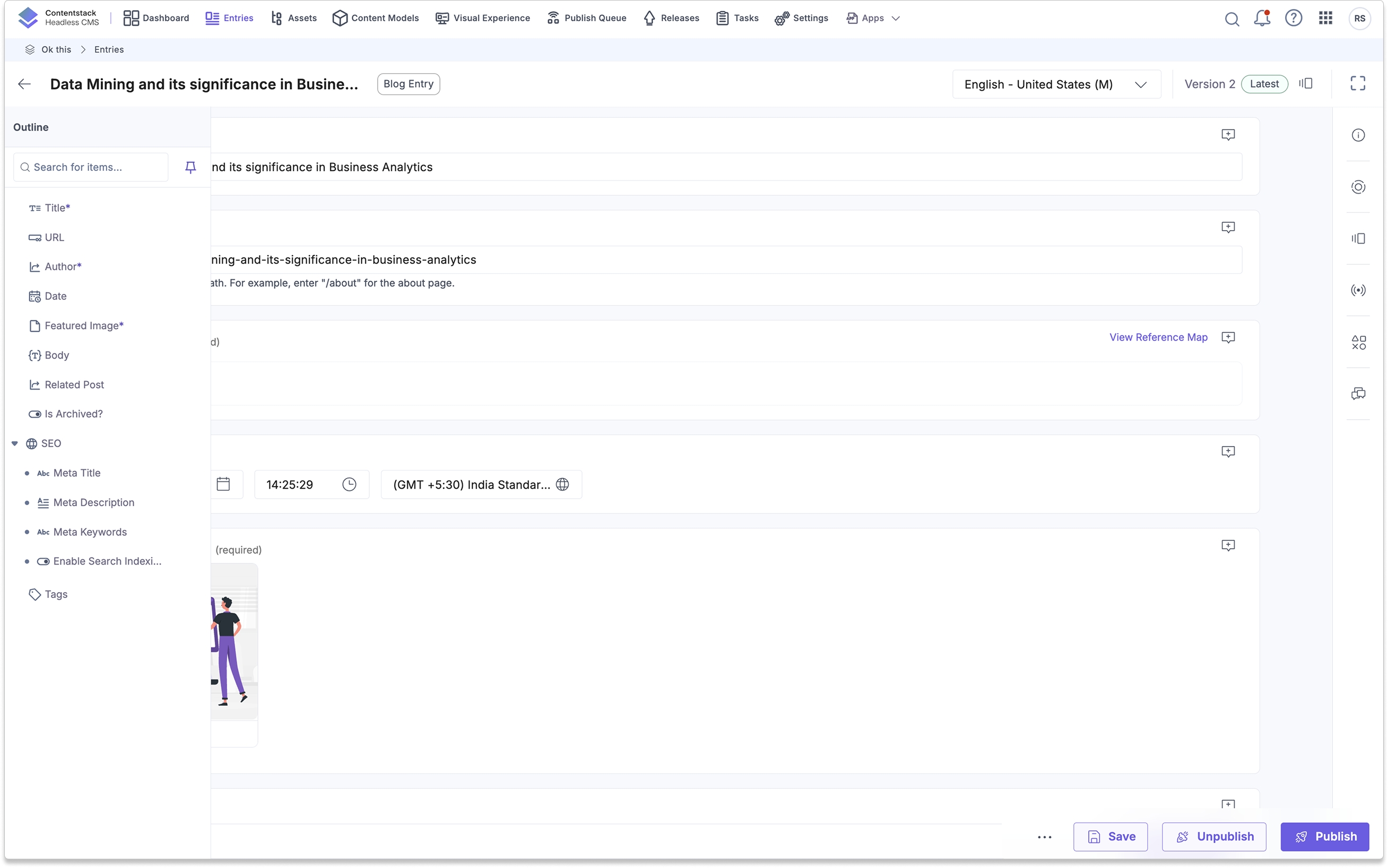
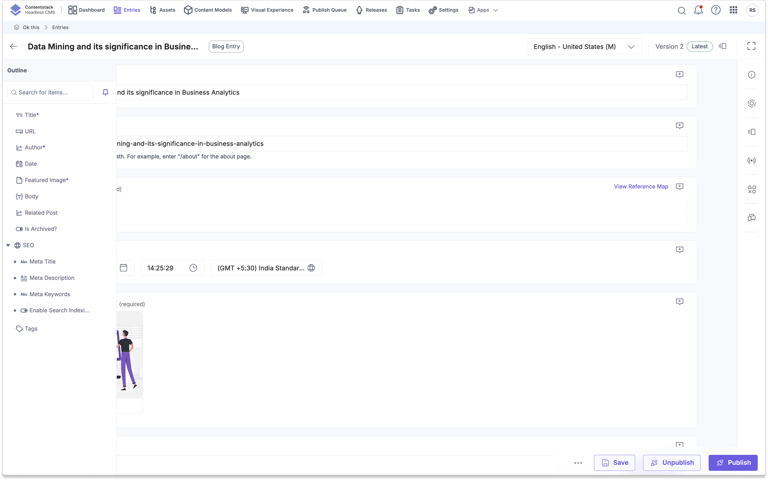
Unified editor built on the new Venus design system.
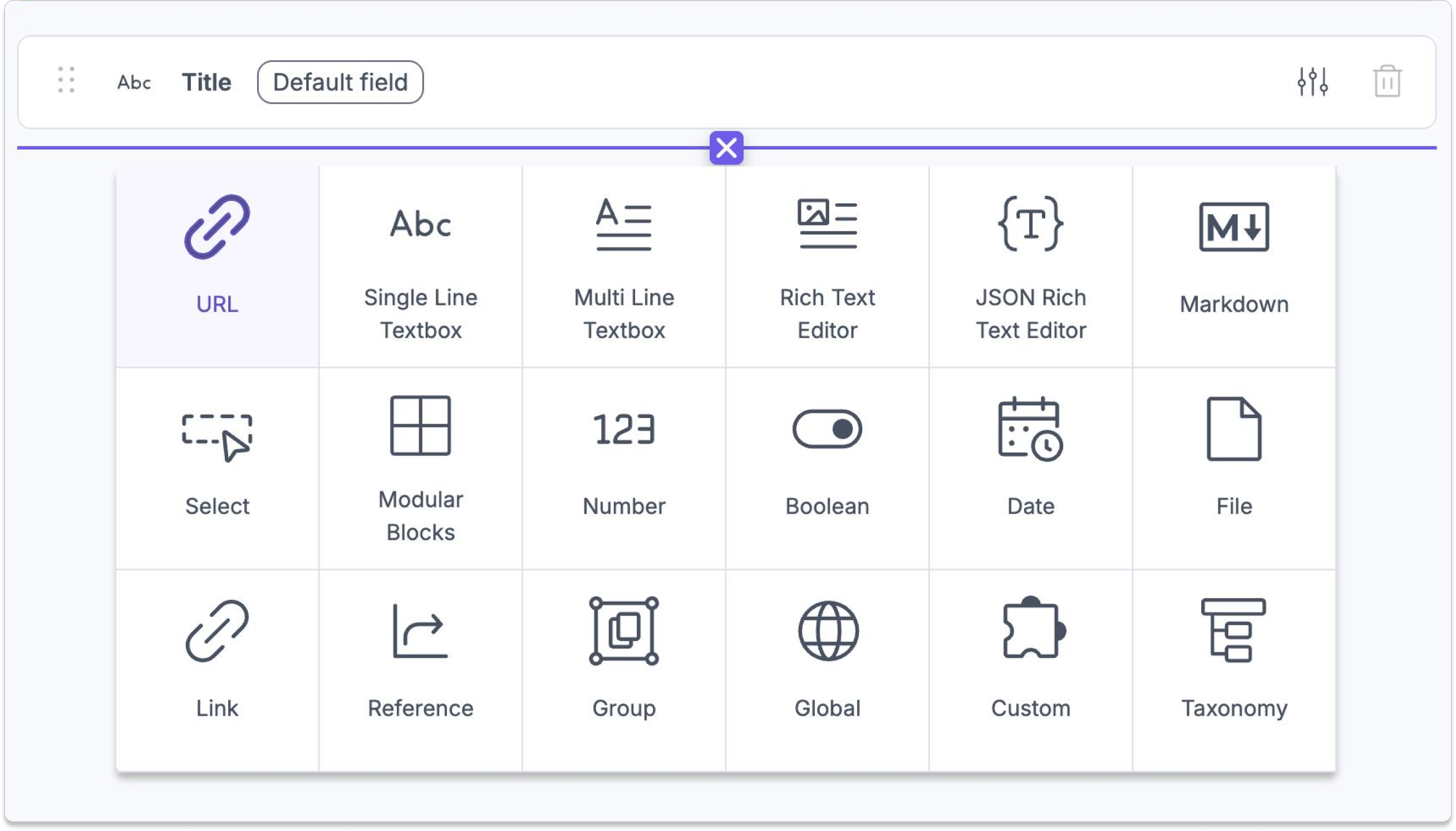
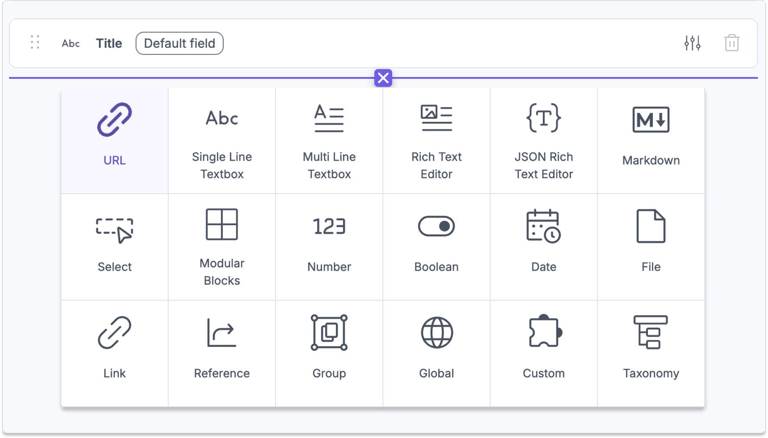
Introduced a unified field selector for content modelling.
Internal release announcement recognising the Project Venus team.


Reduced front-end design debt and increased developer handoff efficiency by 80% through a unified system of design tokens and atomic components.
What I would do differently today
This was built in a pre AI era, so much of the work was manual. Today, I would use Claude, MCP workflows, AI assisted audits, design token rules, and system restrictions to find inconsistencies faster and maintain the system more intelligently. Back then, we built consistency manually. Today, I would build consistency systemically.
Continue Exploring


Let's build better products.
Whether you're hiring for a product design role, building an enterprise platform, or looking to improve complex user experiences, I'd love to hear from you.